German citizenship by descent
Reconnect to Your Heritage
Your family built a life far from Germany. Their story is part of yours. Discover whether it also connects you to German citizenship.
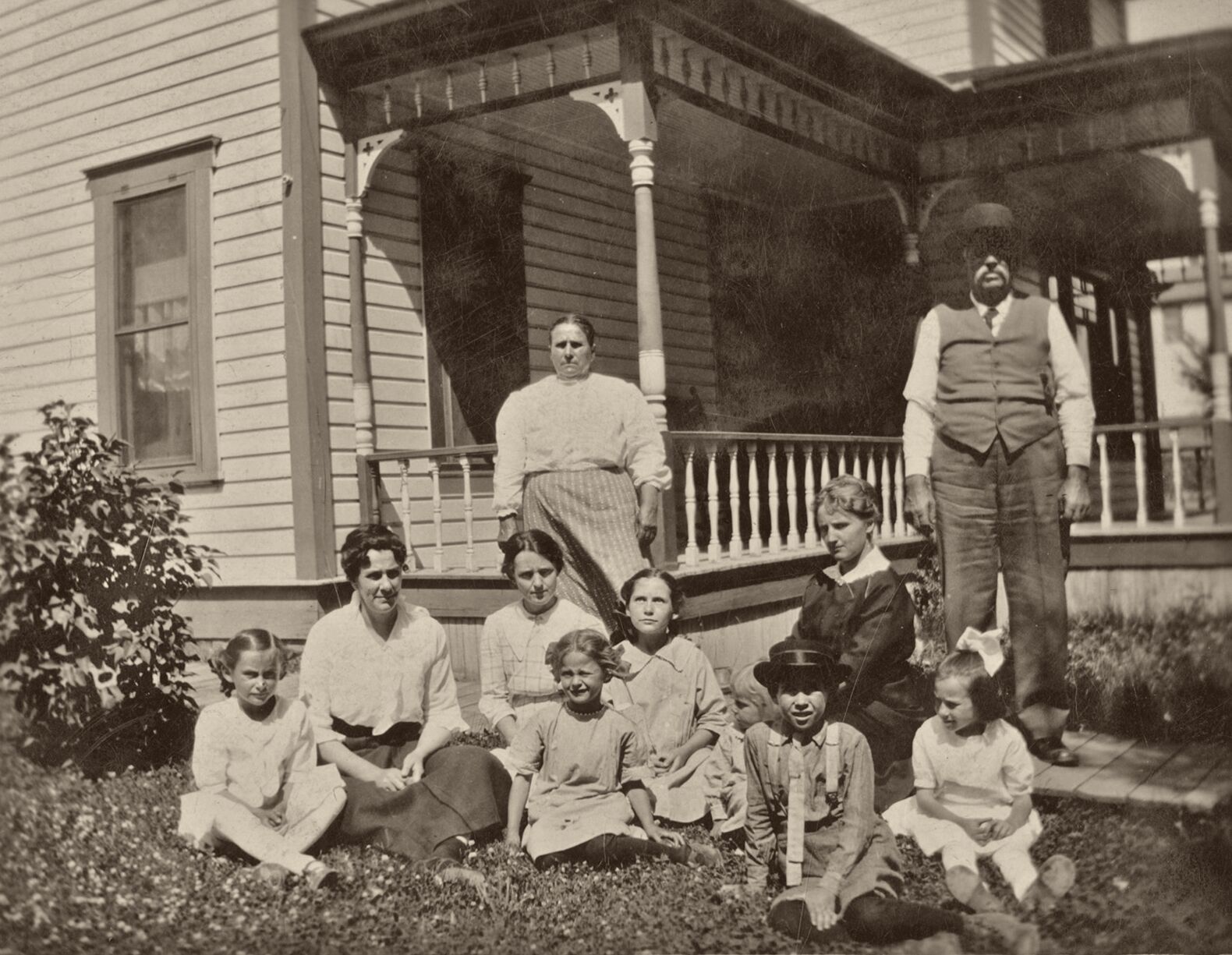
Before they were your ancestors, they were a family
They had a home, familiar faces, and a life they knew. Some left to seek opportunity. Some followed someone they loved. Others fled persecution or displacement. They made new lives, and their families grew. Generations later, their story reaches you.
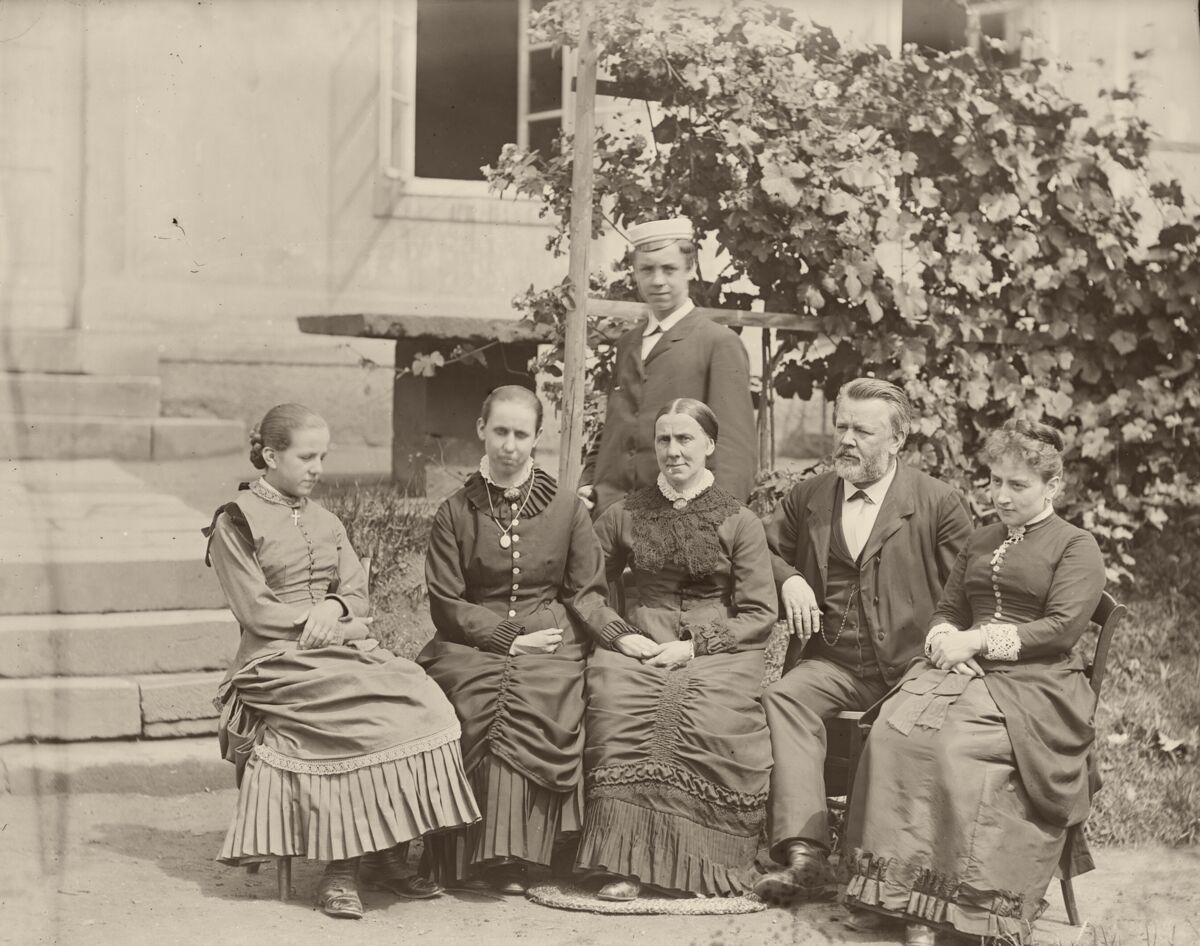
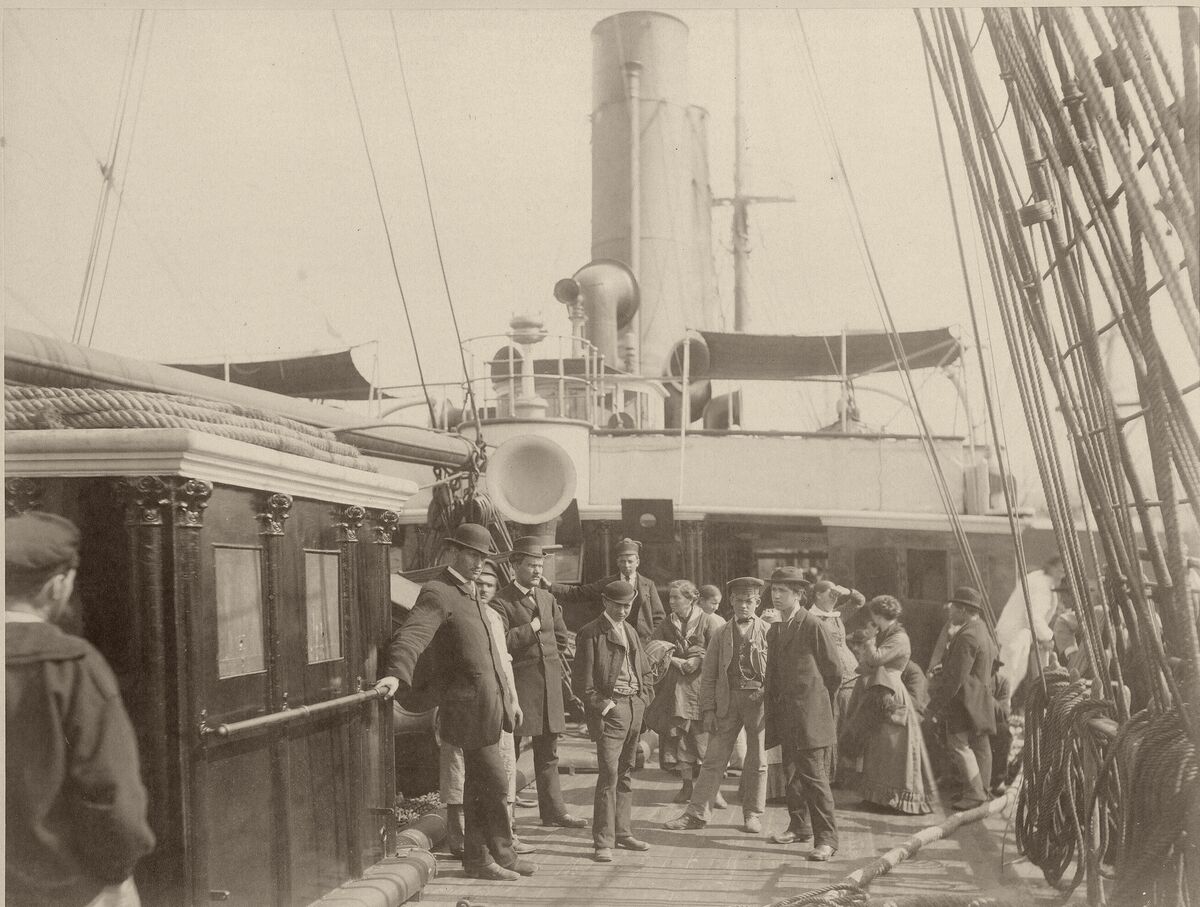
Hannover, around 1950
What they carried with them
Around 1950, someone in Hannover packed a new life into a wooden crate. The list includes photographs, thirteen books, and cutlery for twelve.
A few ordinary things, carefully chosen. Enough to bring something familiar to a new home.
Perhaps your family kept a letter, a photograph, or a familiar recipe. Sometimes a single surviving page can bring a person you never met a little closer.
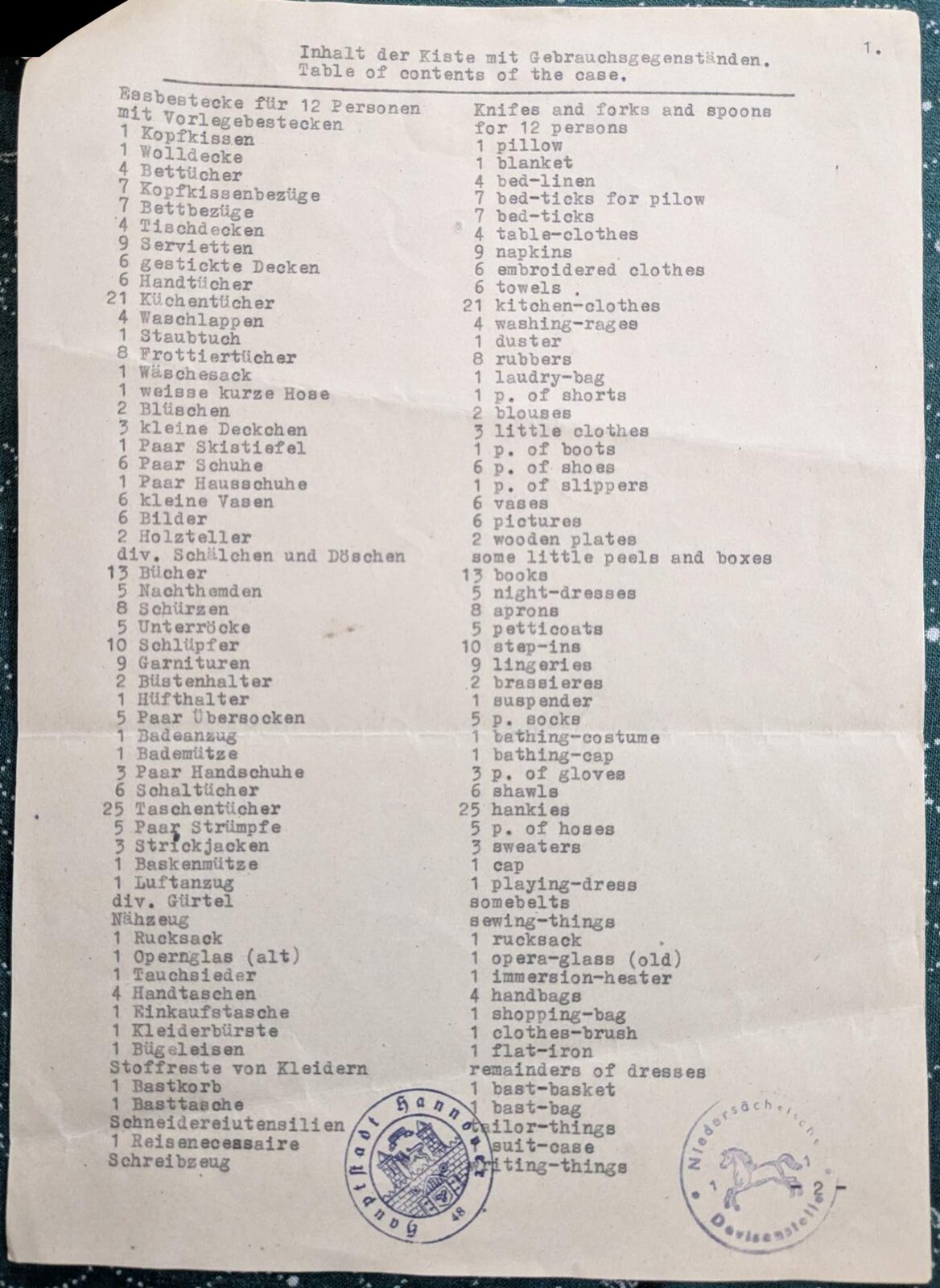
"Essbestecke für 12 Personen"
The first line: knives, forks and spoons for twelve persons.
"13 Bücher"
Thirteen books, between the vases and the night-dresses.
"Stoffreste von Kleidern"
Remainders of dresses: scraps only a dressmaker would take across an ocean.
Their names are still there
The photograph may be gone. The family story may be incomplete. A name can still be waiting in an old register.
Search the consular and passport registers of German consulates in the United States for a trace of your family.
Consular and passport registers
Called Konsulatsmatrikel in German: the lists in which German consulates abroad recorded the Germans living in their district and the passports they issued.
A search result, or no result, is a research lead and not an eligibility decision.
For families affected by Nazi persecution
Some records document the deliberate severing of a family's connection to Germany. Our searchable collection of published citizenship-deprivation lists may help you find a name and its original record.
Search the deprivation listsThe papers that connect the generations
A passport. A marriage record. A few lines in a population register. Each can help establish part of your family's history. Together, the relevant records help explain what happened to German citizenship along your family line.
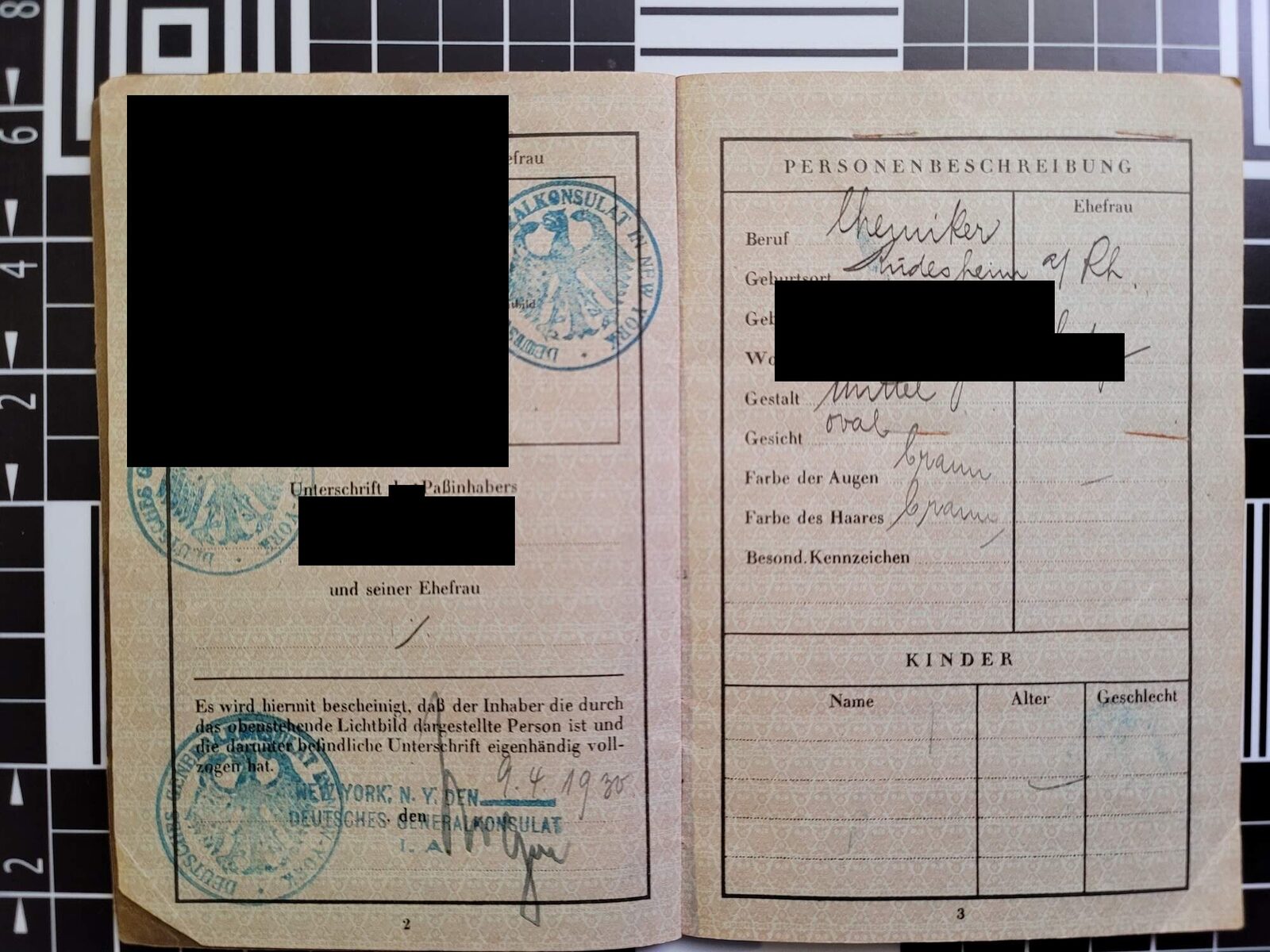
Reading the page
"Deutsches Generalkonsulat New York, 9.4.1930"
Issued by a German consulate on April 9, 1930. A passport like this shows that the consulate treated the holder as a German citizen on that date.
"Geburtsort: Rüdesheim a/Rh."
Place of birth: Rüdesheim am Rhein. It points to the next record to look for, a birth entry in Rüdesheim.
"Kinder"
Children. Minor children could be entered in a parent's passport.
Quoted words are the original. Plain text is our explanation.
And now, your part of the story
You may know exactly who left Germany. You may have only a name and a few dates. Start with what you know, and explore what your family's history could mean for you today.
Follow the questions through your family line. If something is missing, the check can point you toward the record to look for next.
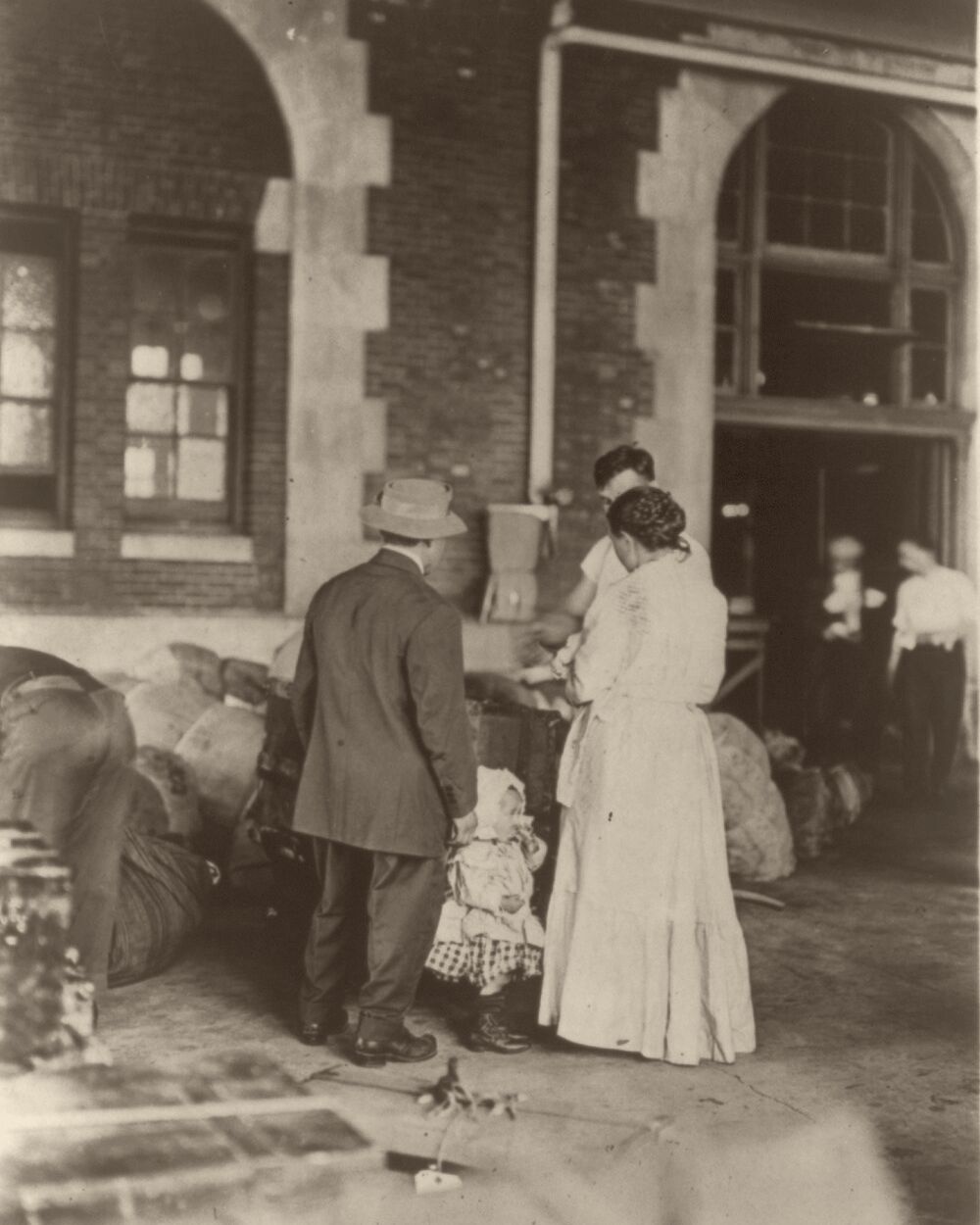
Your story has another chapter
Bring the names, the dates, and the questions. Start discovering what your family's connection to Germany could mean for you and the next generation.